In a State of Pilgrimage: On the Developmental Anthropology of St. Irenaeus of Lyons

This essay presents a radical empiricist interpretation of St. Irenaeus of Lyons, suggesting that humanity’s creation in a state of immaturity is essential for growth into its fulfilment in Christ. The Fall is redefined as a distortion of this developmental process rather than an inherent defect in creation, with Christ facilitating humanity’s return to its intended purpose.


Book Review: Reagan

Max Boot’s “Reagan: His Life and Legend” explores the duality of Ronald Reagan’s persona, juxtaposing his historical life with the mythology created by the conservative movement. Boot meticulously reconstructs Reagan’s presidency, revealing him as both ideological and pragmatic, while examining his contradictions and the complexities of his political legacy without succumbing to simplistic judgements.

Book Review: Kevin Carson and Left-Market Anarchism

Kevin A. Carson’s works explore the nuances between markets and capitalism, advocating for decentralised coordination and voluntary exchange. His writings, including Studies in Mutualist Political Economy and The Desktop Regulatory State, critique how political privilege shapes economic structures. Alongside Markets Not Capitalism, they prompt a re-evaluation of ownership legitimacy and economic organisation.

Book Review: Menken: The American Iconoclast

Marion Elizabeth Rodgers’s biography of H.L. Mencken explores the complexities of this influential figure, portraying him as both a fierce critic of American society and a product of his German-American background. The book delves into Mencken’s journalism, personal relationships, and contradictions, capturing his wit, prejudices, and enduring impact on American literature and culture.

Book Review: Clash of Extremes, Look Away!, and An Honorable Defeat

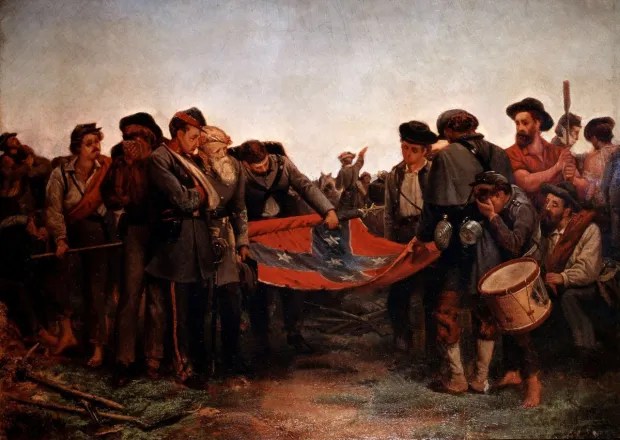
Marc Egnal’s Clash of Extremes and William C. Davis’s Look Away! and An Honorable Defeat provide a detailed exploration of the Confederacy’s rise and fall during the Civil War. Egnal focuses on the economic dynamics that provoked secession, while Davis examines the complexities of sustaining the Confederate state. Together, they illustrate the intertwined challenges of slavery, political power, and societal mobilisation.

Book Review: The Bully Pulpit, Unreasonable Men, and America’s Bank

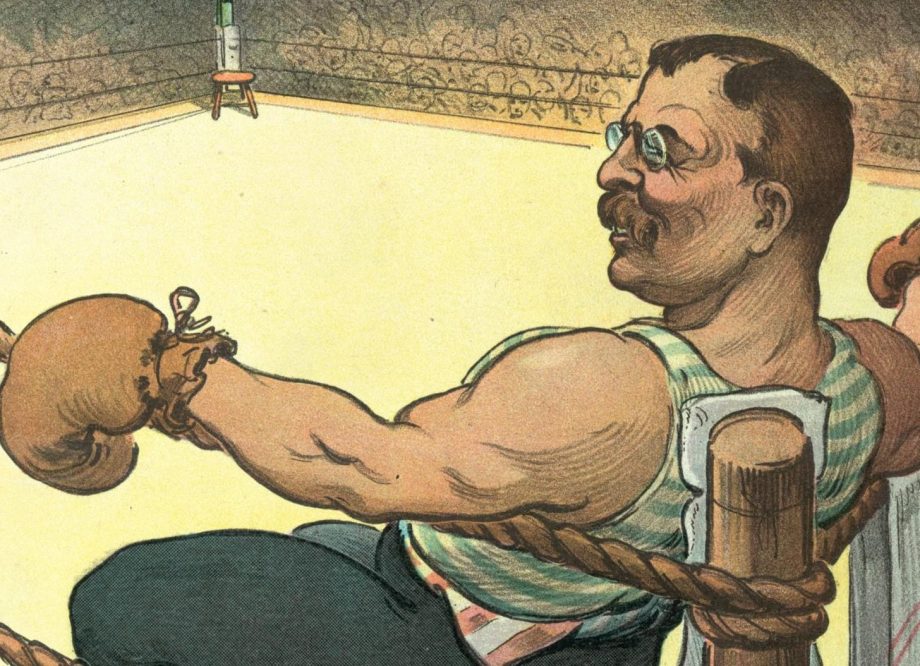
The content discusses the political and economic transformations in early 20th-century America, focusing on Theodore Roosevelt, William Howard Taft, and the establishment of the Federal Reserve. It highlights Roosevelt’s innovative use of the presidency for reform, the challenges of congressional power dynamics, and the evolution of financial regulation through the Federal Reserve Act, illustrating a complex interplay between corporate power and federal authority.

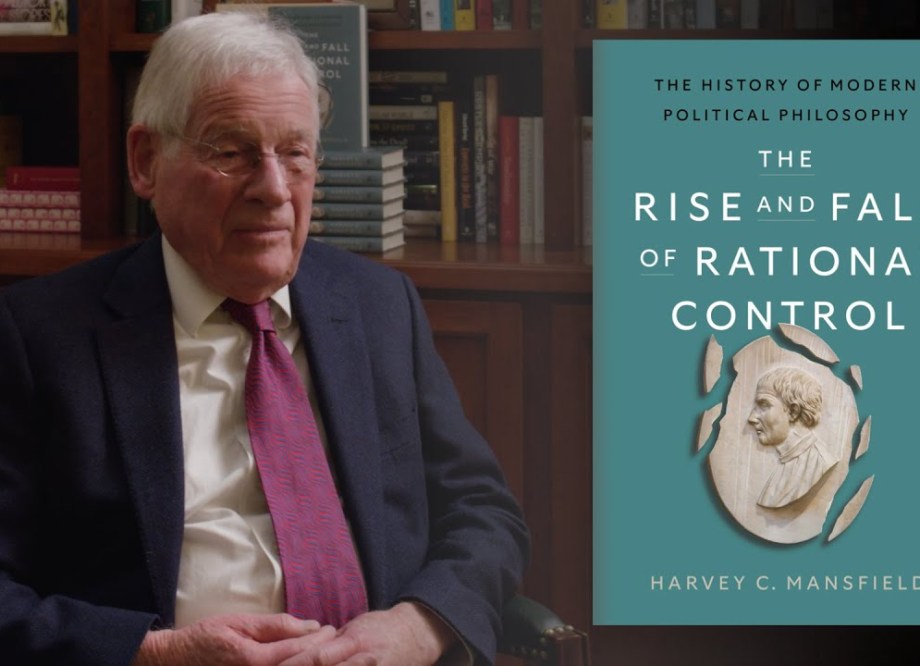
Book Review: The Rise and Fall of Rational Control: The History of Modern Political Philosophy

Harvey C. Mansfield’s “The Rise and Fall of Rational Control” analyses modern political philosophy from Machiavelli to Nietzsche. It argues that attempts to govern human affairs through reason often overlook the complexities of human nature and society. Rather than mastering circumstances, political action is characterised by judgement and response to uncertainty.

Book Review: Political Economy from Pufendorf to Marx: Culture, Needs and Property Rights

István Hont’s posthumous collection, “Political Economy from Pufendorf to Marx,” edited by Lasse S. Andersen and others, comprises seven unpublished papers exploring Marxism through the lens of natural jurisprudence. The work examines property rights, human needs, and critiques Marx’s theories by emphasising the persistence of human dependency and political problems within developed commercial societies.